Teaching History Where History Lives: My NCSS Experience
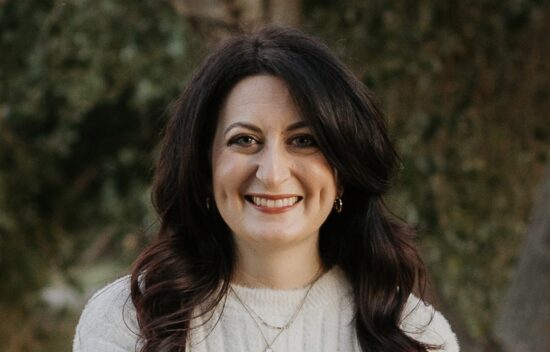
<p><em>By Haley Rubio</em></p>
<p>I have always loved learning, especially when it comes to history and understanding the world around us. As I got older, that love naturally turned into a desire to teach and share that curiosity with students.</p>
<p>Wanting to help them make sense of the past and see how it connects to their own lives has shaped my career in social studies and ultimately led me to the National Council for the Social Studies Conference, made possible through the generous support of the Bill of Rights Institute.</p>
<p>Being in Washington, DC felt like the perfect place to attend NCSS. Everywhere I went, I was surrounded by history, set against the backdrop of a modern, active city. It was a constant reminder of how rich our nation’s story is, and at the same time, how recent it is in the larger context of world history. That contrast made the experience especially meaningful as an educator focused on civic learning.</p>
<p>I am deeply grateful to the Bill of Rights Institute for the scholarship and the opportunity to attend this year’s conference. The experience allowed me not only to feed my own love of learning, but also to gather valuable insights to bring back to my home district. As a curriculum coordinator, this opportunity extends far beyond my own professional growth; it ensures a broader impact on teachers and students and strengthens access to high-quality civic education. BRI has long been an incredible partner in this work. I relied heavily on their resources during my time as an AP Government teacher, and I continue to appreciate their mission and commitment to supporting educators and students in civic learning.</p>
<p>The conference itself was filled with powerful learning experiences. A session on Building Access to DBQs for Multilingual Learners from the Massachusetts Council for Social Studies provided practical strategies to better support multilingual students in all aspects of literacy, but with a focus on social studies education. I am already planning to turn it into a professional development opportunity for teachers in the upcoming semester. Another session, Exploring Supreme Court Cases Through Stories, Literacy, and Dialogue from the National Constitution Center, offered creative approaches to making complex cases more accessible and engaging. When visiting the Bill of Rights Booth in the Hall of Exhibitors, I was also drawn into a game of Fed-Up with the Bill of Rights Institute, a fun and engaging way to spark civic conversation with students.</p>
<p>One of the most memorable aspects of the conference was the chance to connect with fellow scholarship recipients. We had the opportunity to see the city during a night tour of the monuments. The tour proved to be a particularly special experience, seeing the Lincoln Memorial illuminated at night and overlooking the National Mall. These conversations with educators from across the country reaffirmed the shared purpose and passion that unites those committed to social studies and civic education.</p>
<p>I was also honored to attend the Bill of Rights Institute scholarship recipients’ breakfast. The chance to connect with fellow educators and to express gratitude in person to the Colletti family was incredibly meaningful. Honoring the legacy of Gary Colletti and thanking his family for their continued support of educators and civic education reinforced the sense that this work is both deeply personal and profoundly impactful.</p>
<p>Social studies education has been a passion of mine throughout my career. I believe that a strong society depends on engaged citizens who understand the history of their home and the civic principles that form the foundation of their government. Students are not just future members of society; they are members of society right now. They deserve opportunities to understand not only historical contexts, but also their role in shaping the present and the future.</p>
<p>I’m returning from NCSS with new strategies, meaningful memories, and a renewed sense of purpose. More importantly, with ideas and tools that I can share with teachers and students to help strengthen civic literacy and engagement across classrooms. Experiences like this reaffirm a belief that continues to guide my work.</p>
<p>Never stop learning. It is through continual learning that educators grow stronger, students become more empowered, and civic education continues to thrive.</p>
<p><em>Haley Rubio is a social studies coordinator with the Glendale Union High School District in Glendale, AZ. She is also a recipient of the Bill of Rights Institute’s 2025 Gary Colletti Scholarship.</em></p>