Curriculum
Heroes and Villains
Essential Question
What happens to a republic if virtue is not practiced?

Curriculum resources

Through this introduction lesson, students will understand why it is important for engaged citizens to practice civic virtues to build and support a healthy civil society.

How did Benjamin Franklin’s develop and practice virtue? Help students identify ways they can make being virtuous a habit.

What is the difference between self-serving ambition and noble ambition? Explore the character and career of Aaron Burr.

How did Alice Paul respond in the face adversity? Explore how her choice to act responsibly.
How did August Landmesser display the virtue of courage? Explores the significance of courage in a society built on democratic principles.
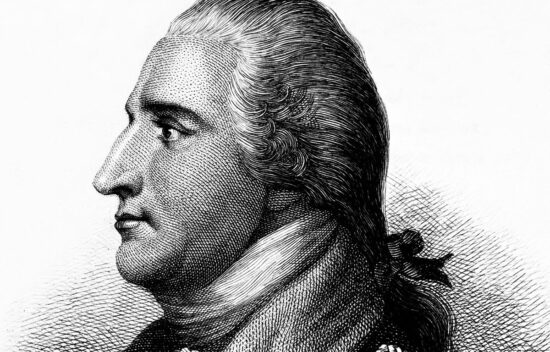
What are the dangers of deception and lack of integrity in a civil society? Explore the vice of dishonor by examining the story of Benedict Arnold.

How did the Communist system Che Guevara fought for and helped install lead to great injustice in Cuba and contribute to global communist injustice?

How did Clara Barton dedicate herself to the responsibility for caring for others throughout her life? How can students act responsibly in their own lives?

What are the benefits of humility in leadership? Learn about the vice of hubris through the story of Douglas MacArthur.

What military decisions did Dwight Eisenhower make on D-Day in World War II and how did he take responsibility for his grave decisions of launching the Normandy invasion?

What is the virtue of courage and why it is important in a society that values individual liberty? Trace the experience of Elizabeth Eckford and the Little Rock Nine to explore these questions.
Dive-deep into the life of Frederick Douglass and explore how he demonstrate the virtue of responsibility.
Standards

How do We the People are better able to protect and advance freedom and opportunity for all?