Curriculum
Elementary
Essential Question
How can young learners explore character, history, and civics together?

Units
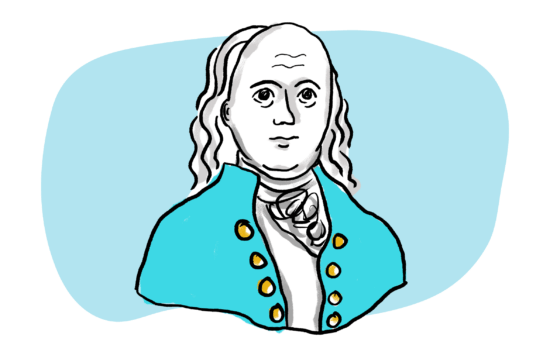
Bring Franklin’s Fantastic Virtues to life in your K–3 classroom.
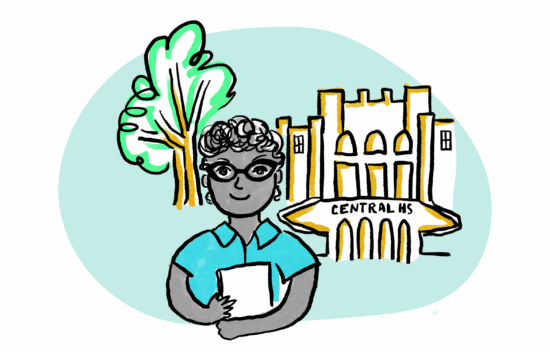
Explore multiple ways to introduce Eckford’s Epic Courage to your K–3 learners.
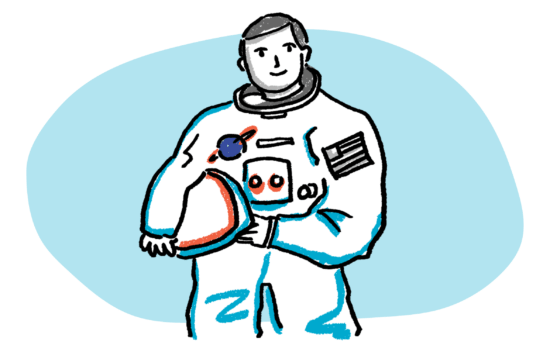
Bring Armstrong’s Amazing Courage into your K–3 classroom with a variety of instructional pathways.
Curriculum resources
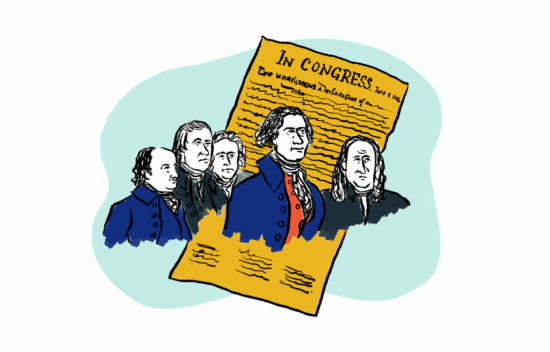
How did the ideals of natural rights and justice inspire a revolution for independence in the colonies?
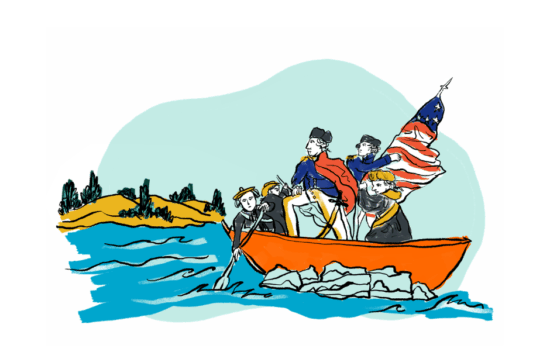
How did Americans show courage in their fight for liberty during the American Revolution?
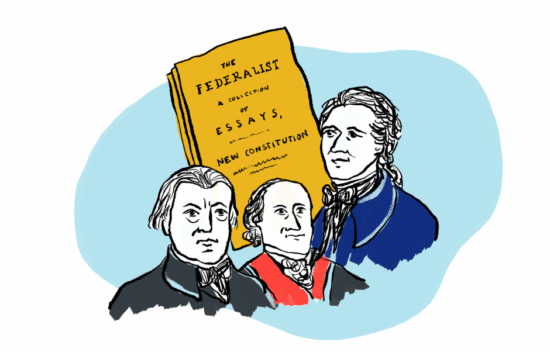
How did Americans organize their new government after the American Revolution?
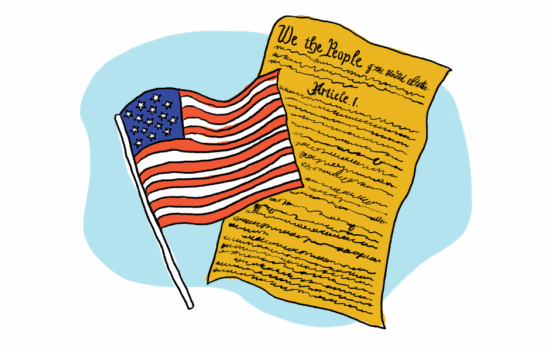
How can the U.S. Constitution and Bill of Rights inspire us to establish justice in our classroom?

How did industrialization and immigration change the United States in the 1800s?
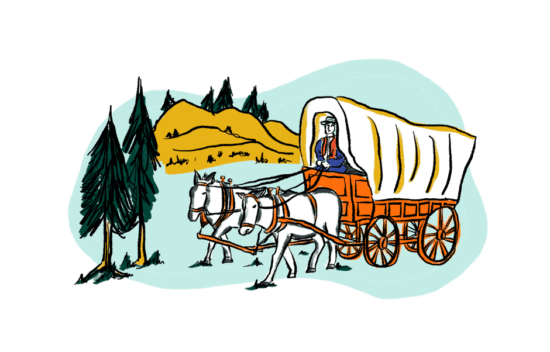
How did the growth of the United States lead to challenges and opportunities for individuals?
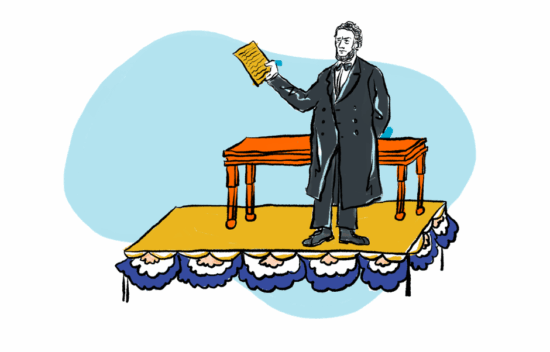
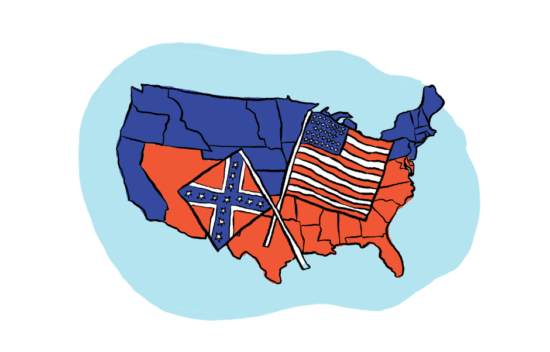
How did regional differences over slavery lead to sectionalism and the Civil War?
How did the decisions of Union leaders during the Civil War demonstrate responsibility and protect natural rights?
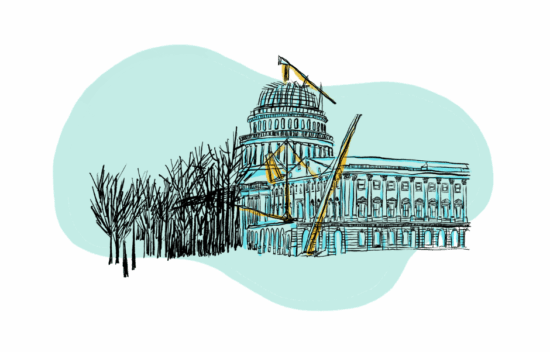
How did the United States attempt to reconstruct itself after Civil War to create a more just society for everyone?
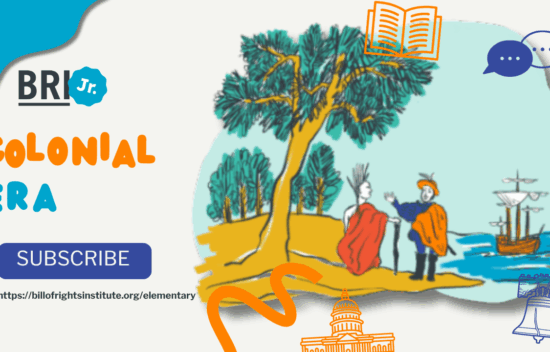
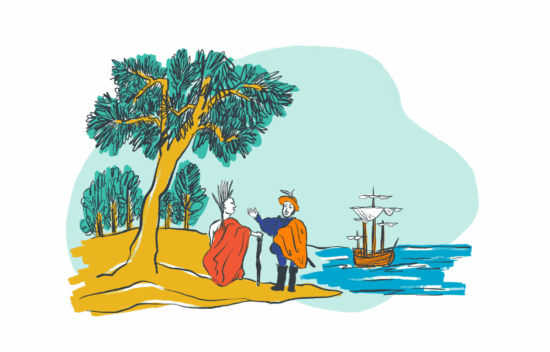
In this elementary history lesson, explore the courageous journey of Native Americans and European settlers during the colonial era. Discover how John Smith and other settlers established Jamestown, and how the Pilgrims formed bonds with the Wampanoag tribe, leading to the first Thanksgiving. Learn about the challenges they faced, from disease to food shortages, and how they persevered to build the foundations of America. From the Mayflower Compact to the struggles with the Powhatan Confederacy, this action-packed story shows how courage and resilience shaped the early American colonies into what we know today.
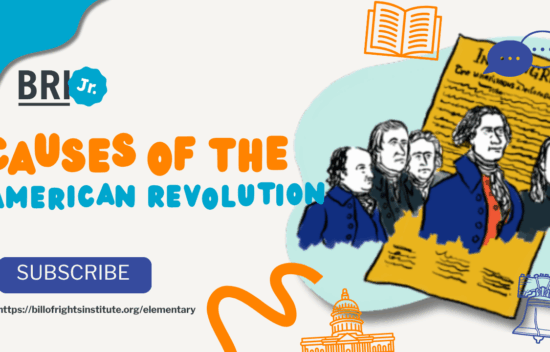
Get ready to travel back in time to the early days of America and discover the thrilling events that led to the American Revolution! In this elementary lesson, we explore the key moments that paved the road to independence—from the end of the French and Indian War to the fiery debates over "taxation without representation." Our elementary lessons are primary source-based that focus on content-area literacy instruction and performance-based assessments. Designed for grades 3-5, these lessons use a modular approach for all learners and are ideal for helping elementary students explore American history and citizenship.
Standards

What are checks and balances and why do they exist?

How does the Preamble establish consent of the governed?

How can justice be a guiding principle when resolving conflicts with others?

What is the electoral college and what role does it play in electing the president?

What responsibilities do we have to our community?