Unit
Identity
Guiding question
Identity answers the question, “Who am I?” Studying the identity of others challenges students to think about what traits and actions make up their own character.
- 14 Lessons
- 16 Activities
- American Revolution
- Civil War
- Founders
- Slavery
- African American History
- Civil Rights
- Commander in Chief
- Declaration of Independence
- Equality
- President
- War
- Women’s History

Founding Principles
Virtues
Lessons:
All lessons can be found below!
- George Washington’s Finest Hour: The Newburgh Conspiracy and Identity
- Edward R. Murrow: In His Own Words
- I WILL BE HEARD: William Lloyd Garrison, Abolitionism, Colonization, and Identity
- The Gospel of Wealth: Andrew Carnegie, Philanthropy, and Identity
- Frederick Douglass and Identity: Resurrection to the Heaven of Freedom
- Four Score and Seven Years Ago: The Gettysburg Address and American Identity
- I Have a Dream: Martin Luther King Jr. and Identity
- We Hold These Truths: Thomas Jefferson, the Declaration of Independence, and Identity
- A Self-Made Man: The Story of Thurgood Marshall
- Roger Williams: Man of the Word
- That Golden Moment: Jesse Owens and Identity
- On My Own Ground: Madam C.J. Walker and Identity
- The Diarist’s Identity: Mary Chesnut and her Civil War Diary
- You Felt He was Talking to You: FDR’s Fireside Chats and Identity
Lessons
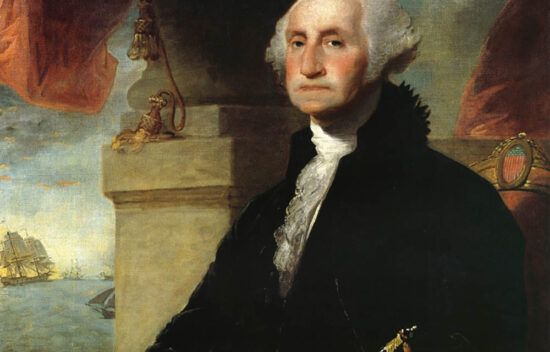
How did George Washington’s actions during the The Newburgh Conspiracy demonstrate the principle of identity?

Why does others perception of us matter as leaders? Examine this narrative about Edward R. Murrow and McCarthyism.

In this lesson, students will explore the life of William Lloyd Garrison and follow the development of his identity. Through his example, students will understand how they can develop and refine their identity in their own lives, and how through this refinement help advance freedom for themselves and others.

What did Andrew Carnegie’s apply the principle of identity throughout his life?

Examine key events in the life of Frederick Douglass and the turning point when he determined not to remain a slave.

How did Abraham Lincoln’s identity as a writer, speaker, and president related to the Gettysburg Address?

How did Martin Luther King, Jr., contribute to American identity?

How did Thomas Jefferson identity shape the writing of the Declaration of Independence?

How can the accomplishments of Thurgood Marshall help students understand how they can develop and refine their identity?

What about Roger Williams’ identity drove him to found a new colony based on religious liberty?

How can Jesse Owens' identity inspire students to advance freedom in their own lives?

How did Madam C. J. Walker contribution to American identity?

How did Mary Chesnut’s identity drive her to write a diary during the Civil War?

What about Franklin D. Roosevelt's identity helped him to soothe the fears of Americans during the Great Depression?