Lesson
The Election of 1860, Lincoln v. Breckinridge
Guiding question
Why was the transfer of power not peaceful after the election of 1860?

Objectives:
Students will:
- Understand important developments leading up to the election of 1860 that challenged the Constitution’s original compromises on slavery.
- Analyze why the election of 1860 did not result in a peaceful transfer of power.
- Assess the validity of South Carolina’s justification of secession.
Materials
- Handout A: The Election of 1860
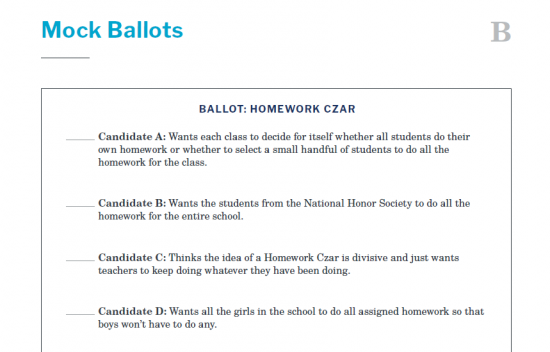
- Handout B: Mock Ballots
- Handout C: Lincoln’s First Inaugural Address
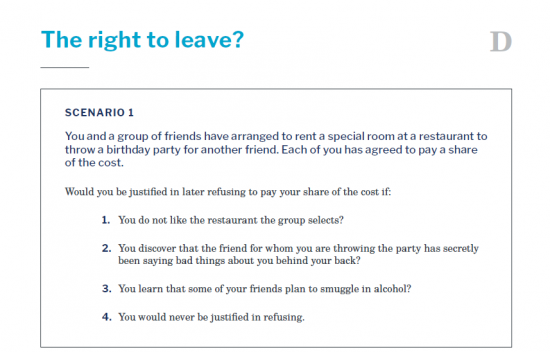
- Handout D: The Right to Leave?
- Handout E: Two Declarations
Lesson Components



Lesson plan
More Information
To create a context for this lesson, have students complete Constitutional Connection: Presidents and the Transfer of Power.
Standards
Related materials

BRI Senior Teaching Fellow Tony Williams sits down with author and University of Indianapolis professor of history James Fuller to discuss the dramatic 1860 presidential election and why it was so significant. Fuller reviews the sectionalism that divided the country and the contention that surrounded the election. What dangers threaten the national union when citizens do not trust each other? And what happens when groups of voters put their self-interest before the common good? Fuller is the author of several books on the Civil War and Reconstruction including "The Election of 1860 Reconsidered."