Activity
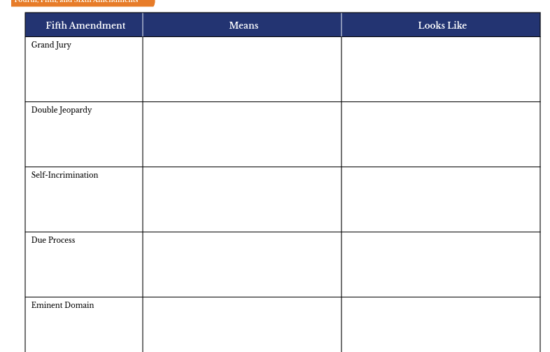
Fourth, Fifth, and Sixth Amendments, Civil Rights and Civil Liberties Interactive
A card sorting interactive that helps students define the fourth, fifth and sixth amendments.

The Fourth Amendment in the Bill of Rights protects citizens from unlawful search and seizure.
Read the Full Bill of RightsThe right of the people to be secure in their persons, houses, papers, and effects, against unreasonable searches and seizures, shall not be violated, and no warrants shall issue, but upon probable cause, supported by oath or affirmation, and particularly describing the place to be searched, and the persons or things to be seized.

What prevents the police from randomly searching our homes and possessions whenever they want? The Founders created the Fourth Amendment to protect the individual right to private property. Learn more about its origins and some landmark Supreme Court cases in our latest Homework Help video.