Educator Resource
Chapter 14: 1960-1968 Inquiry Organizer
How did internal and external political and cultural tensions shape the years 1960–1968?

In this organizer
- Lesson5
- Narrative10
- Primary Source12
- Point-Counterpoint1
- Decision Point3
Compelling question
How did internal and external political and cultural tensions shape the years 1960-1968?
Chapter objectives
- Students will explain the triumph and decline of the liberal consensus over the welfare state and the rise of the conservative movement.
- Students will analyze how different groups in American society fought for equality and rights.
- Students will analyze numerous economic, demographic, technological, cultural, and social changes in the United States during the 1960s
Supporting questions and resources
The filter narrows the resources under every question. Each card opens the resource.
Supporting question 1
How did debates about the role of the federal government in domestic and foreign policy continue during the 1960s?
- NarrativeJohn F. Kennedy’s Inauguration
- Primary SourceJohn F. Kennedy, Inaugural Address, January 20, 1961
- NarrativeThe Cuban Missile Crisis
- NarrativeThe Vietnam War: Ia Drang Valley
- Point-CounterpointWas the Great Society Successful?
- Primary SourceLyndon B. Johnson, Commencement Address at the University of Michigan (“Great Society” Speech), May 22, 1964
- NarrativeThe Election of 1968
- Primary SourceThe Vietnam War Experience: An Interview with Veteran William Maxwell Barner III
- Primary SourceThe Tonkin Gulf Resolution, 1964
- Primary SourceLyndon B. Johnson, “Peace Without Conquest,” April 7, 1965
- Primary SourceImage Analysis: March on the Pentagon, October 21, 1967
- Primary SourceWalter Cronkite Speaks Out against Vietnam, February 27, 1968
- Decision PointFree Speech and the Student Anti-War Movement
- NarrativeStudents and the Anti-War Movement
- Primary SourceStudents for a Democratic Society, “Port Huron Statement,” 1962
- Decision PointProtests at the University of California, Berkeley
- Decision PointLyndon B. Johnson’s Decision Not to Run in 1968
Supporting question 2
How did different groups in American society fight for equality and rights?
- NarrativeFreedom Riders
- NarrativeThe March on Birmingham
- NarrativeBlack Power
- Primary SourceMartin Luther King Jr., “Letter from Birmingham Jail,” 1963
- Primary SourceMalcolm X, “The Ballot or the Bullet,” April 12, 1964
- Primary SourceMartin Luther King Jr., “I Have a Dream,” August 28, 1963
- NarrativeBetty Friedan and the Women’s Movement
- Betty Friedan, The Feminine Mystique, 1963 Primary Source
- LessonCivil Disobedience across Time
- LessonThe Music of the Civil Rights Movement
- LessonCivil Rights DBQ
- LessonA Civil Rights Investigation: Mississippi Burning
- LessonWe Shall Overcome: The Fight for Voting Rights
- Chapter 14 Introductory Essay: 1960-1968
- NarrativeRachel Carson and Silent Spring
- Primary SourceRachel Carson, Silent Spring, 1962
Standards
You may also need
More of this category

Use this lesson with the Freedom Riders Narrative; The March on Birmingham Narrative; the Black Power Narrative; the Martin Luther King Jr., "Letter from Birmingham Jail," 1963 Primary Source; the Martin Luther King Jr., "I Have a Dream," August 28, 1963 Primary Source ;The Music of the Civil Rights Movement Lesson; and the Civil Rights DBQ Lesson to discuss the different aspects of the civil rights movement during the 1960s

Use this lesson with the Freedom Riders Narrative; The March on Birmingham Narrative; the Black Power Narrative; the Martin Luther King Jr., "Letter from Birmingham Jail," 1963 Primary Source; the Martin Luther King Jr., "I Have a Dream," August 28, 1963 Primary Source; the Civil Disobedience across Time Lesson; and the Civil Rights DBQ Lesson to discuss the different aspects of the civil rights movement during the 1960s.

Use this lesson with the Freedom Riders Narrative; The March on Birmingham Narrative; the Black Power Narrative; the Martin Luther King Jr., "Letter from Birmingham Jail," 1963 Primary Source; the Martin Luther King Jr., "I Have a Dream," August 28, 1963 Primary Source; the Civil Disobedience across Time Lesson; and The Music of the Civil Rights Movement Lesson to discuss the different aspects of the civil rights movement during the 1960s.

Why did three civil rights workers disappear during the Freedom Summer of 1964? Engage students with primary source documents to investigate this question. This lesson was developed by and included with the permission the LBJ Presidential Library.
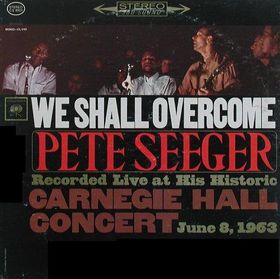
In this lesson, developed by and included with the permission the LBJ Presidential Library, students will examine primary source documents associated with the passage of the Voting Rights Act of 1965.