Unit
Chapter 14: The Civil Rights Movement 1960-1968
Guiding question
Invite students to explore how internal and external political and cultural tensions shaped the years 1960–1968.
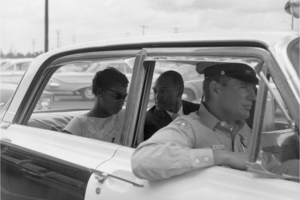
Chapter 14 of Life, Liberty, and the Pursuit of Happiness, BRI’s U.S. History Curriculum Resource, invites students to explore how internal and external political and cultural tensions shaped the years 1960–1968. Discover our suggested sequence for Chapter 14.
Teacher resource
Chapter 14: 1960-1968 Inquiry Organizer
How did internal and external political and cultural tensions shape the years 1960–1968?
Lessons

Use this lesson with the Freedom Riders Narrative; The March on Birmingham Narrative; the Black Power Narrative; the Martin Luther King Jr., "Letter from Birmingham Jail," 1963 Primary Source; the Martin Luther King Jr., "I Have a Dream," August 28, 1963 Primary Source ;The Music of the Civil Rights Movement Lesson; and the Civil Rights DBQ Lesson to discuss the different aspects of the civil rights movement during the 1960s

Use this lesson with the Freedom Riders Narrative; The March on Birmingham Narrative; the Black Power Narrative; the Martin Luther King Jr., "Letter from Birmingham Jail," 1963 Primary Source; the Martin Luther King Jr., "I Have a Dream," August 28, 1963 Primary Source; the Civil Disobedience across Time Lesson; and the Civil Rights DBQ Lesson to discuss the different aspects of the civil rights movement during the 1960s.

Use this lesson with the Freedom Riders Narrative; The March on Birmingham Narrative; the Black Power Narrative; the Martin Luther King Jr., "Letter from Birmingham Jail," 1963 Primary Source; the Martin Luther King Jr., "I Have a Dream," August 28, 1963 Primary Source; the Civil Disobedience across Time Lesson; and The Music of the Civil Rights Movement Lesson to discuss the different aspects of the civil rights movement during the 1960s.

Why did three civil rights workers disappear during the Freedom Summer of 1964? Engage students with primary source documents to investigate this question. This lesson was developed by and included with the permission the LBJ Presidential Library.
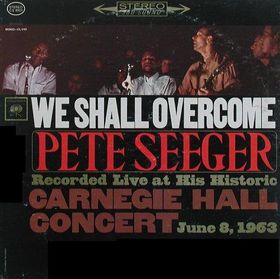
In this lesson, developed by and included with the permission the LBJ Presidential Library, students will examine primary source documents associated with the passage of the Voting Rights Act of 1965.
Unit resources

Did the Great Society significantly alleviate poverty and social ills in the United States or did it have little impact beyond creating unsustainably expensive federal programs? Anthony D. Bartl and Gregory L. Schneider debate this question.

Use this primary source text to explore key historical events.

Use this primary source text to explore key historical events.

Use this primary source text to explore key historical events.

Use this primary source text to explore key historical events.

Use this primary source text to explore key historical events.
Use this primary source text to explore key historical events.

Use this primary source text to explore key historical events.

Use this primary source text to explore key historical events.

Use this primary source text to explore key historical events.

Use this primary source text to explore key historical events.

Use this primary source text to explore key historical events.