Unit
Chapter 1: The Columbian Exchange 1491-1607
Guiding question
Invite students to explore how the collision of cultures created a "New World" and evaluate the impact of European contact with Native Americans and the Americas.

Chapter 1 of Life, Liberty, and the Pursuit of Happiness, BRI’s U.S. History Curriculum Resource, invites students to explore how the collision of cultures created a “New World.” Students will learn about the development of systems of cultural exchange between Europe, Africa, and the Americas and evaluate the impact of European contact with Native Americans and the Americas. Discover our suggested sequence for Chapter 1.
Teacher resource
Chapter 1: The Columbian Exchange 1491-1607 Inquiry Organizer
How did the collision of cultures create a “New World”?
Lessons

It is recommended that this Lesson be completed to introduce the first unit of AP U.S. History. This Lesson will benefit from students having limited prior knowledge about the course content. This Lesson can also be used in conjunction with the Native People Narrative and The Oral Tradition of the Foundation of the Iroquois Confederacy Primary Source.

This Lesson can be taught any time during the chapter but would be best connected to the Narratives on exploration and settlement, particularly Henry Hudson and Exploration, Hernando de Soto, and Columbian Exchange.

This Lesson should come after students have learned about Spanish explorers such as Christopher Columbus, Hernando de Soto, and Hernan Cortes. This Lesson could come before or after the Ship Technology Lesson.
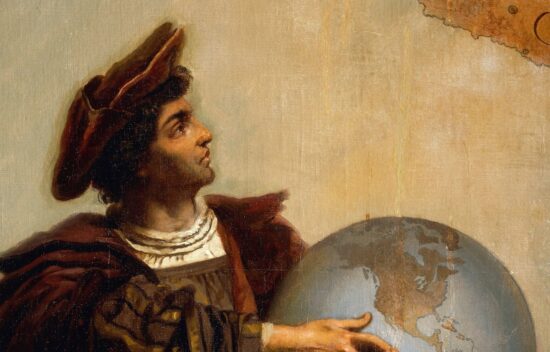
A prerequisite to this activity is the completion of the Columbus's Letter to Ferdinand and Isabella of Spain, 1494 Primary Source activity, which should immediately precede this lesson. This Lesson should be implemented after students have explored the motivations for European exploration and the consequences of the Columbian Exchange, through resources such as the First Contacts Narrative, the Columbian Exchange Narrative, and the Should We Remember Christopher Columbus as a Conqueror or Explorer? Point-Counterpoint. This Lesson should be followed by the Cortes's Account of Tenochtitlan Primary Source activity, the Las Casas on the Destruction of the Indies Primary Source activity, and/or the Life in the Spanish Colonies Narrative.

This writing practice should be completed at the end of Chapter 1, although it can be adapted for other units if students continue to demonstrate a need for practice in constructing thesis statements.

A concluding lesson for Unit 1 (1491-1763).
Unit resources

Should Columbus' actions be viewed from a modern lens, or based on the values of his time? Mark Christensen shares two views on this question.

Use this primary source text to explore key historical events.

Use this primary source text to explore key historical events.

Use this primary source text to explore key historical events.

Use this primary source imagery to analyze major events in history.

Use this primary source text to explore key historical events.

Use this primary source imagery to analyze major events in history.
How did the collision of cultures create a "New World"?


