Unit
Respect
Guiding question
Respect is honor or admiration of someone or something. To protect your mind and body as precious aspects of your identity. To extend that protection to every other person you encounter.
- 13 Lessons
- 17 Activities

Lessons:
All lessons can be found below!
- With Charity for All: Abraham Lincoln’s Second Inaugural Address and Respect
- Prevent Further Effusion of Blood: The Surrender at Appomattox and Respect
- The True Meaning of Democracy: Eleanor Roosevelt, Marian Anderson, and Respect
- William Penn: Faith Not Force
- We Can Start to Work Together: Robert F. Kennedy, the 1968 Campaign, and Respect
- Dolley Madison’s Respect for Washington
- Treat All Men Alike: Chief Joseph and Respect
- In Her Weakness Made Strong: Esther Ross and Respect
- The Tuskegee Airmen: Defending and Improving the United States
- Bacon’s Rebellion and Respect
- Remember the Ladies: Abigail Adams and Respect
- John J. Pershing: Honoring the Fallen
- Respecting the Fallen at Andersonville Prison
Lessons

In this lesson, students will review Abraham Lincoln’s Second Inaugural Address, delivered as Union troops were within sight of ultimate victory in the Civil War. They will analyze how he demonstrated respect in his approach to his second term of office and plans for restoring the Union. They will achieve the following objectives.

In this lesson, students will read about the surrender at Appomattox between Generals Ulysses S. Grant and Robert E. Lee. They will learn about how the two men acted with respect despite their differences and be able to apply this lesson to their own lives.

In this lesson, students will learn about the respectful action of Eleanor Roosevelt towards Marian Anderson. They will explore how this demonstration of respect helped shape Mrs. Roosevelt’s purpose and identity and learn how similar displays in their own lives can help them in like manner.

How did the words and actions of William Penn, who established the colony of Pennsylvania, guarantee freedom of worship?
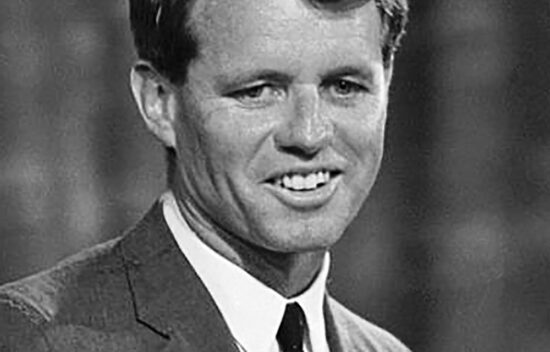
How did the words and actions of Robert F. Kennedy, who used his candidacy for the presidency in 1968, spread a message of hope, justice, and respect?
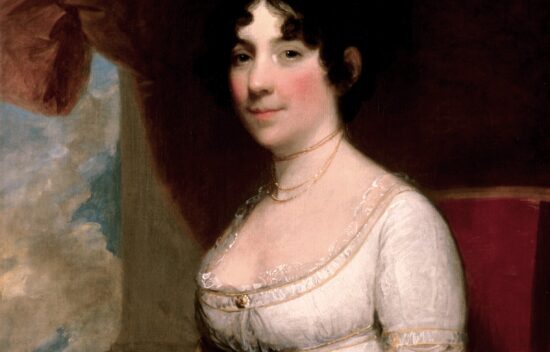
In this lesson, students will learn about the respect that First Lady Dolley Madison had for the city of Washington and its people as well as her respect for American treasures. Students will determine ways in which they can be respectful of others in their own lives.

In this lesson, students will review the words and actions of Chief Joseph of the Nez Perce people in the Pacific Northwest. They will identify examples of people treating one another with respect and examples of disrespect.

In this lesson, students will learn about the Stillaguamish tribe and the woman who fought to gain recognition and respect for their lands and customs. Through her example, students will better understand the role that respect should play in their own lives.

In this lesson, students will learn about the actions of the Tuskegee Airmen and how they helped African-Americans gain respect. They will explore how they can be respectful in their own lives.

In this lesson, students will learn about how Nathaniel Bacon demanded respect for the rights of colonists in Virginia in the 1670s. They will learn how they too can demand respect for their own rights.

In this lesson, students will learn about the life of Abigail Adams and how she fought for respect for the respect of women’s rights.
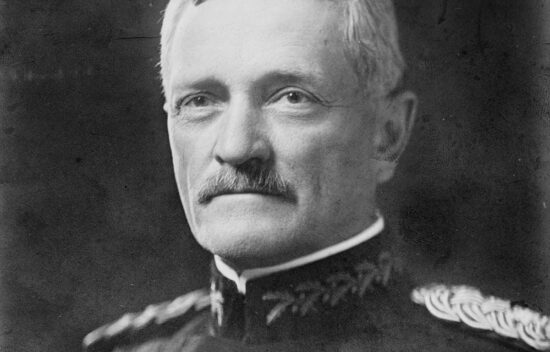
In this lesson, students will learn about the life and actions of John Pershing. They will learn through his actions how he sought to ensure the respect of his soldiers and the sacrifices they made on behalf of their country. Through this example, students will learn how they can be more respectful in their own lives.

In this lesson, students will learn about the actions of Dorence Atwater as a P.O.W. at Andersonville prison during the Civil War. They will understand how Atwater worked to ensure those interned in the prison were respected. Through this example, students will learn how they can be more respectful in their own lives.